
Inverted Microscope
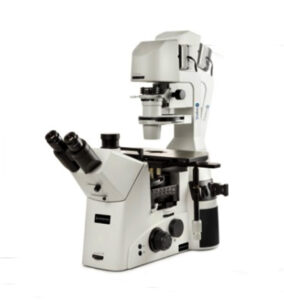
INVERTED MICROSCOPE
An Inverted Microscope is a type of light microscope where the light source and condenser are placed above the stage, pointing down, while the objective lenses are located beneath the stage, pointing upward. This unique configuration allows for the observation of living cells and large specimens in their natural environment, such as in Petridishes or culture flasks, without disturbing the sample.
The working principle of an inverted microscope is similar to an upright microscope, but the optical path is reversed.
- Bottom-Up Observation: Because the objectives are below the stage, the user views the specimen from the bottom. This is essential for cell culture because cells typically sink and adhere to the bottom of the culture vessel.
- Large Working Distance: Inverted microscopes have a larger space between the condenser and the stage, accommodating thick containers like tissue culture flasks or large, heavy industrial samples.
- Specimen Accessibility: The open space above the stage allows researchers to easily manipulate samples with tools like micromanipulators while viewing them.